
Spending on Ads but No Sales? 5 'Detail Page Psychologies' to Open Customers' Wallets
Hello! This is Creazy, the AI detail page builder that actually sells.
Are you experiencing these frustrations?
- "Ad click-through rates are high, but they don't lead to purchases."
- "I spent a lot of money redesigning, but sales remain the same."
- "Customers leave the page immediately after looking at the top section."
To be blunt, the problem isn't the flashiness of the design. The problem lies in the absence of 'Psychological Design.' When processing information, the human brain reacts to 'instinct' before logic. Instincts embedded in human DNA act faster than our reason.
Today, Creazy reveals 5 psychological cheat keys we've discovered while analyzing countless detail pages that subconsciously open customers' wallets.
1. The 'Primacy Effect' Decided in 0.3 Seconds
Have you heard that a first impression is formed in as little as 1 to 3 seconds? The human brain has a strong tendency to judge quickly and believe that judgment. Naturally, this applies to detail pages as well. The moment a customer lands on a page, it takes only 0.3 seconds to decide if this product is worth their time. This is where the 'Primacy Effect'—where the first impression dominates the whole—comes into play.
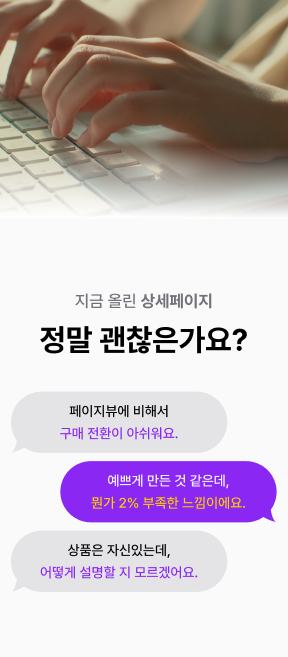
- Practical Application: Don't start with product features in the intro. You must hit the 'most painful problem' the customer is facing with a single image and a single line of copy.
- Creazy's Tip: Instead of "Our product has great ingredients," say something like, "The real reason you tossed and turned last night can be solved with this one pad." The key is to draw immediate empathy. Only then will customers give you the time to explain your product.
2. 'Cognitive Fluency': Ease Sells
People instinctively judge difficult information as 'dangerous' or 'worthless.' If a detail page is complex or filled with technical jargon, the customer's brain feels fatigue and exits. This is called Cognitive Fluency.
If an elementary school student can't understand it, that detail page has failed.
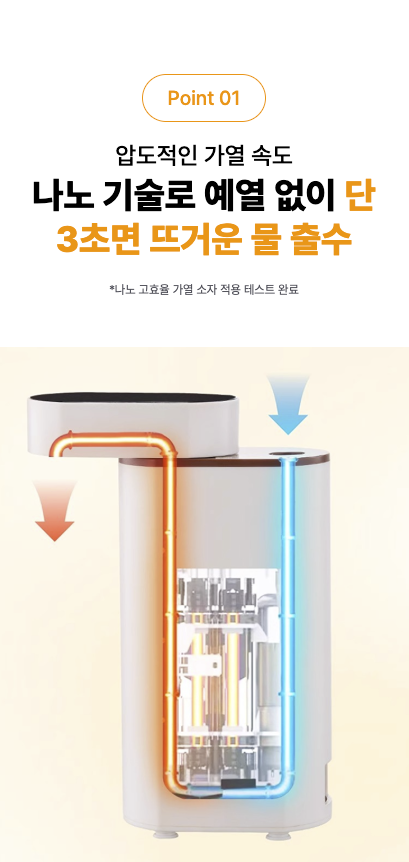
- Design Method:
- Use everyday words instead of difficult terminology.
- Use readable 3-line summaries instead of long paragraphs.
- If you must use technical terms, keep them small and minimal.
- Use intuitive Before/After infographics, which are processed 2 times faster than text.
3. 'Bandwagon Effect' and Social Proof
The psychology of "I should buy it because others are buying it" is the most powerful persuasion tool in human history. In the middle of the page, when the customer's doubt grows, you must drop a bomb of evidence that 'countless people are already satisfied.' The representative strategy for this is listing user reviews.
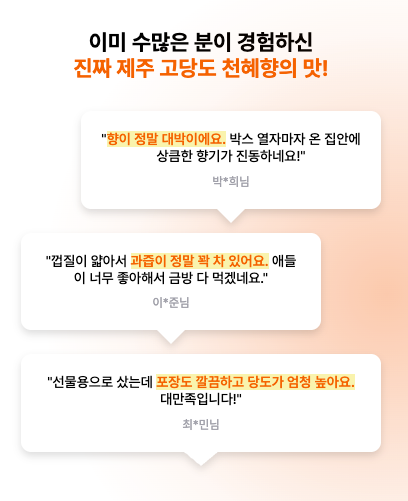
To further strengthen this, using precise numbers instead of general expressions can better persuade buyers.
| Element | General Expression (Bad) | Psychological Expression (Good) |
|---|---|---|
| Sales Volume | Many people have purchased. | Over 125,402 units sold! |
| Reviews | This product has good reviews. | Actual user satisfaction 4.9/5.0 |
| Trust | Buy with confidence. | 3rd round sold out, currently taking pre-orders |
4. 'Anchoring Effect': Price is Relative
A price of $100 isn't inherently expensive or cheap to a customer. The price resistance breaks depending on where you set the Anchor (reference point).
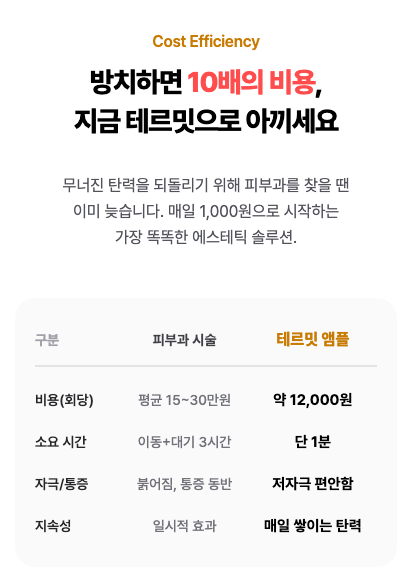
- Strategic Placement: Don't just list the discount rate. Compare the price to the 'opportunity cost' (e.g., medical bills, repair costs, wasted time) incurred if they don't use the product, and persuade them why the current price is reasonable.
- Example: "Get the effect of a $3,000 dermatology treatment at home for just $30 a month."
5. 'Loss Aversion' and Scarcity Strategy
Humans feel the pain of losing something about twice as much as the joy of gaining it. This is why "If you don't buy now, you'll lose this benefit forever" is much more powerful than "Buy now to get a benefit."
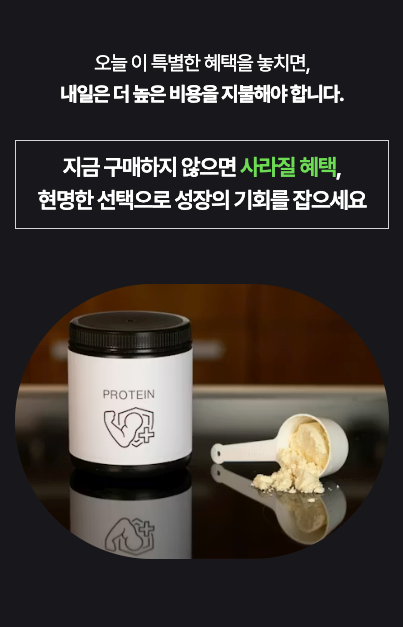
- The Final 'Nudge':
- Time Limit: Utilize countdown timers.
- Quantity Limit: "Only 100 sets available for this batch due to raw material supply."
- Risk Removal: "Try it first; 100% refund if not satisfied" (Resolves the fear of making a wrong choice).
🚀 Detail pages are 'Science', not 'Labor'.
CEOs, a detail page is not just a collection of pretty pictures. It must be a set of sophisticated psychological tactics that break down the customer's psychological resistance one by one.
People don't buy because the design is pretty. They buy because they were persuaded.
At Creazy, we have embedded these psychological principles into our AI algorithms. With just a few clicks, you can generate headlines that stimulate the customer's brain and configure layouts that capture their attention. If you are missing out on core business goals because of design worries, it's time to get help from technology.
⬇️ Click the image to connect to the Creazy service.
Related Posts
AI Detail Page Builders vs. General-Purpose AI Like ChatGPT — What's the Difference?
[Update & Pricing Plan Renewal Pre-Announcement] Now Even Animated Detail Pages?! April 30 New Features & Pricing Plan Renewal Notice
Hello, this is the Creazy team, your reliable partner for CEOs! 🎉 To help our CEOs create high-quality…
The Standard for Detail Page Color Combinations (with Creazy)
Detail Page Creation: Why Does a Single Color Change Sales? The detail page is the most powerful touchpoint…